什么是 CDN 边缘服务器?
边缘服务器是使 Internet 快速发展的主要组成部分。
学习目标
阅读本文后,您将能够:
- 定义 CDN 边缘服务器
- 了解数据如何通过网络传递
- 区分边缘服务器和源站
相关内容
想要继续学习吗?
订阅 TheNET,这是 Cloudflare 每月对互联网上最流行见解的总结!
复制文章链接
什么是 CDN 边缘服务器?
CDN 边缘服务器是位于网络的逻辑极限或“边缘”的计算机。边缘服务器通常充当独立网络之间的连接。CDN 边缘服务器的主要目的是将内容存储在尽可能靠近发出请求的客户端计算机的位置,从而减少延迟并缩短页面加载时间。
边缘服务器是一种边缘设备,可提供进入网络的入口点。其他边缘设备包括路由器和路由交换机。边缘设备通常放置在互联网交换点 (IxP) 以允许不同的网络连接并共享传输。
边缘服务器的工作原理
在任何特定的网络布局中,都是多个设备使用一个或多个预定义的网络模式相互连接。如果网络要连接到另一网络或更大的 Internet,则它必须具有某种形式的桥接,以便流量从一个位置流向另一个位置。在网络边缘上创建这种桥接的硬件设备称为边缘设备。
网络跨边缘连接
在有多个设备连接的典型家庭或办公室网络中,移动电话或计算机等的设备通过星型网络模型与网络连接和断开连接。所有设备都存在于同一局域网 (LAN) 中,并且每个设备都连接到中央路由器,它们正是通过中央路由器相互连接的。
要将第二个网络连接到第一个网络,必须在某个点在两个网络之间建立连接。根据定义,边缘设备是网络能够通过其相互连接的设备。
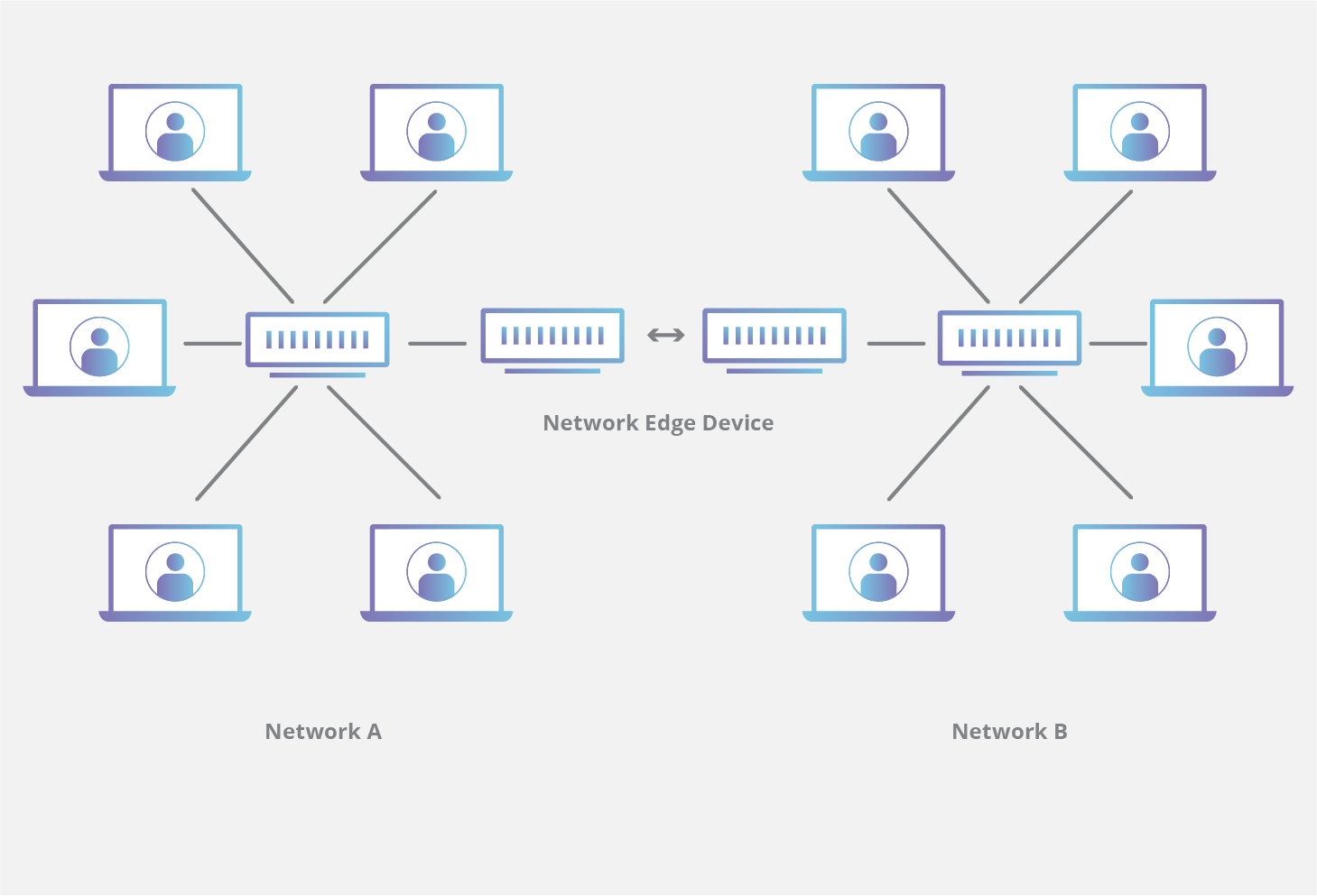
现在,如果网络 A 内的计算机需要连接到网络 B 内的计算机,则该连接必须从网络 A 跨网络边缘传递到第二个网络。同样的范式也可以在更复杂的环境中使用,例如通过 Internet 建立连接时。网络共享传输的能力受到网络之间的边缘设备可用性的限制。
当连接必须穿越互联网时,就必须在网络 A 和网络 B 之间采取更多的中间步骤。为简单起见,我们假设每个网络都是一个圆圈,圆圈相互接触的地方是网络边缘。为了使连接跨互联网移动,它通常会接触许多网络并跨许多网络边缘节点移动。一般来说,连接必须穿越的距离越远,必须遍历的网络数量就越大。在达到目标之前,连接可能会遍历不同的互联网服务提供商和互联网骨干基础设施硬件。
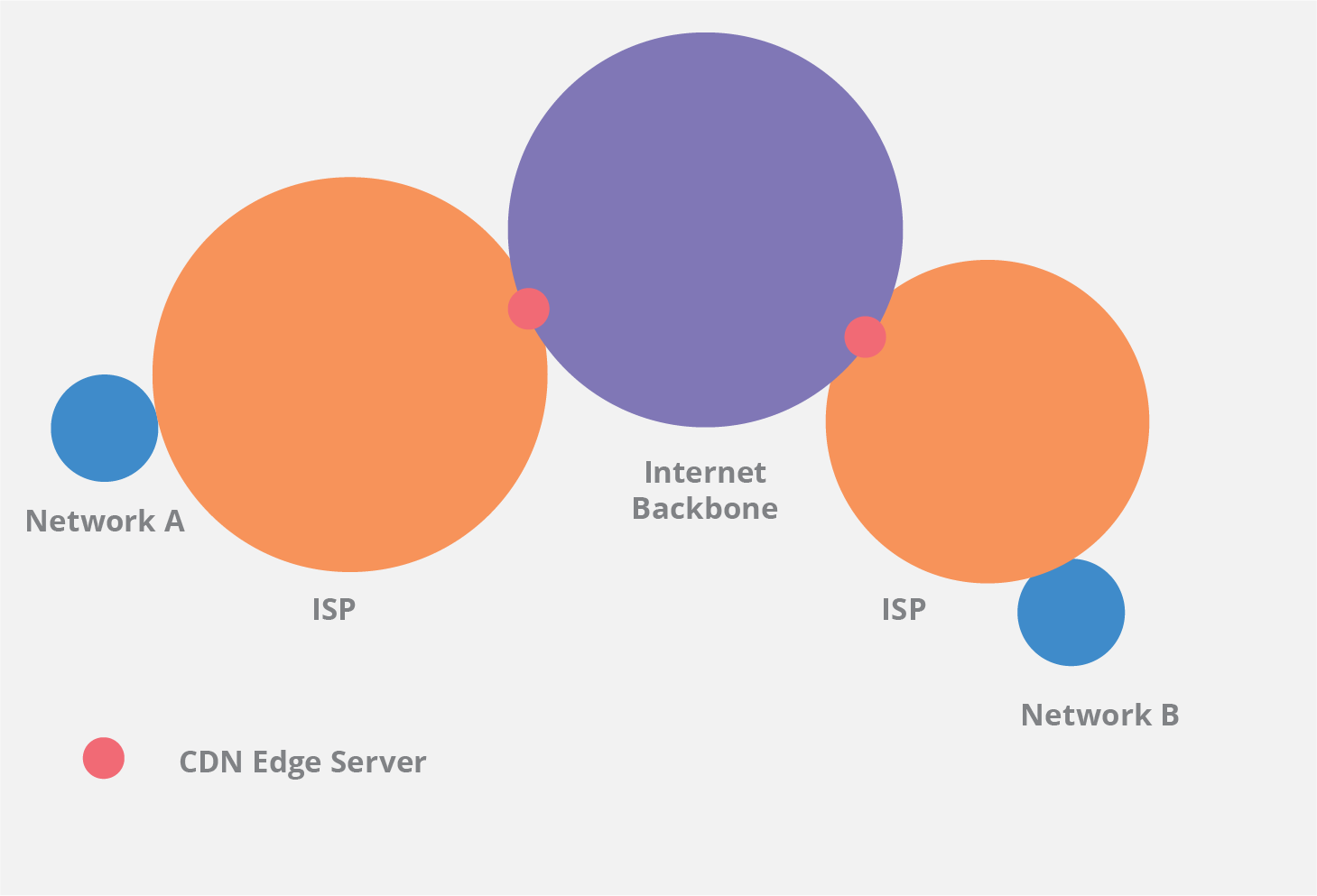
CDN 提供商会将服务器放置在许多位置,但是最重要的是不同网络之间的边缘连接点。这些边缘服务器将与多个的网络连接,允许流量在网络之间快速有效地传递。如果没有 CDN,传输可能会在来源和目的地之间历经较慢和/或较复杂的路线。在最坏的情况下,流量将“延展”出较大距离;当连接到街对面的另一台设备时,连接可能会在全国移动后再返回。通过将边缘服务器放置在关键位置,CDN 可以将内容快速交付给不同网络内的用户。要了解有关使用 CDN 获得的改进的更多信息,请探索 CDN 性能的工作原理。
边缘服务器和源站有什么区别?
源服务器是一种 Web 服务器,当 Web 资产未使用 CDN 时,它接收所有互联网流量。在没有 CDN 时使用源服务器意味着每个互联网请求都必须返回到源服务器的物理位置,而不管它在世界何处。这会导致加载时间延长,服务器距请求客户端计算机越远,加载时间就会越长。
CDN 边缘服务器在具有战略意义的位置存储(缓存)内容,以减轻一个或多个源服务器的负担。通过将静态资产(如图像、HTML 和 JavaScript 文件以及可能的其他内容)尽可能移到请求客户端计算机附近,边缘服务器缓存可以减少加载 Web 资源所需的时间。使用 CDN 时,源服务器仍具有重要的功能,因为重要的服务器端代码(例如用于身份验证的哈希客户端凭据数据库)通常在原始位置维护。了解 Cloudflare CDN 和遍布全球的边缘服务器。
常见问题解答
在 CDN 场景中,边缘服务器的定义是什么?
边缘服务器是位于网络逻辑端点或边缘的设备;这种服务器通过在尽可能靠近最终用户的地方处理请求来减少延迟。在内容交付网络(CDN) 中,这些服务器是访问者和源服务器之间的主要连接点。
边缘服务器如何提高网站性能?
边缘服务器位于用户和源服务器之间,可最大限度地减少数据必须传输的物理距离。这种距离的缩短减少了网站加载所需的时间,为用户提供更快、响应更快的体验。
边缘服务器和源站有什么区别?
源服务器是网站原始数据和内容所在的中央来源。边缘服务器是分布式网络的一部分,该网络在全球多个位置存储数据的缓存版本,以确保更快地交付到附近的用户。
边缘服务器以什么方式为网站提供安全防护?
边缘服务器可以充当网络外围的保护屏障。它们可以配备 Web 应用防火墙 (WAF) 或 DDoS 缓解服务等安全工具,以识别并阻止恶意流量,防止其到达源服务器。
如果用户请求的内容未被 CDN 缓存,会发生什么情况?
如果请求的内容尚未存储在边缘服务器上,则服务器会将请求转发到源服务器。边缘服务器收到数据后,将其传递给用户,并随即将其缓存,以便更快速地响应附近其他用户的后续请求。
为什么边缘服务器通常位于互联网交换点 (IXP)?
将边缘服务器放在 IXP 中,让它们能够直接与不同的互联网服务提供商(ISP)进行连接。这种战略性部署减少了内容交付所需的跃点或网络转换次数,从而进一步降低延迟。
边缘服务器如何促进网站的可扩展性?
CDN 边缘服务器可承接源服务器的大量流量,有效分担其访问压力,从而协助网站实现弹性扩展。通过在本地处理大部分请求,边缘服务器可以防止源服务器在高流量或流量突然激增期间不堪重负。