混合云架构是怎样工作的?
若要使混合云保持良好工作状态,多种不同类型的基础设施之间的集成就显得至关重要。
学习目标
阅读本文后,您将能够:
- 了解混合云架构如何工作
- 了解所有混合云部署的共同特征
- 探索混合云不同部分的连接方式
复制文章链接
什么是混合云?
混合云是两种或多种不同类型的基础设施的组合:公共云,以及私有云或本地基础设施。混合云部署日趋普遍;许多公司都希望将公共云计算功能与具备更严格控制措施的私有基础设施结合起来。
混合云架构是什么样的?
混合云架构可能存在相当大的差异。混合云部署可以将本地基础设施与公共云组合在一起:

它还可以将公共云与私有云组合在一起:

或者,它可以将多个公共云、私有云与本地基础设施组合在一起。无论采用哪种特定组合,所有混合云架构都将具有一些共同特征:
- 数据集成:企业的数据将在其公共云和非公共云基础设施之间同步。在这些不同的基础设施之间同步数据可能具有挑战性,企业可能需要实施其他技术解决方案来自动保持数据一致性。
- 网络连接:私有云、旧版基础设施和公共云通过公共互联网或私有网络相互连接。这种网络连接对于混合云部署正常运行而言至关重要。
- 统一管理:理想情况下,混合云管理应该通过一个首要的集成式工具完成,从而无需分别管理每一个云。分别对每个云进行管理可能会有难度,因为每个云将会有不同的 API、*不同的 SLA** 以及不同的功能和特征。
*API(应用程序编程接口)允许应用程序从另一个应用程序(在本例中则为云服务)“调用”特征或功能,并将该特征或功能合并到该应用程序的自有服务中。
**“SLA”是一种服务级别协议,它定义了云供应商需要提供的服务。
混合云如何连接?
对于混合云,不同基础设施之间的网络连接非常重要。如果网络没有连接,企业就无法真正地运行混合云。相反,各基础设施只是在并行运行多个云,并且所有云之间的数据可能无法保持一致。
可以通过以下方法连接公共云、私有云和本地基础设施:
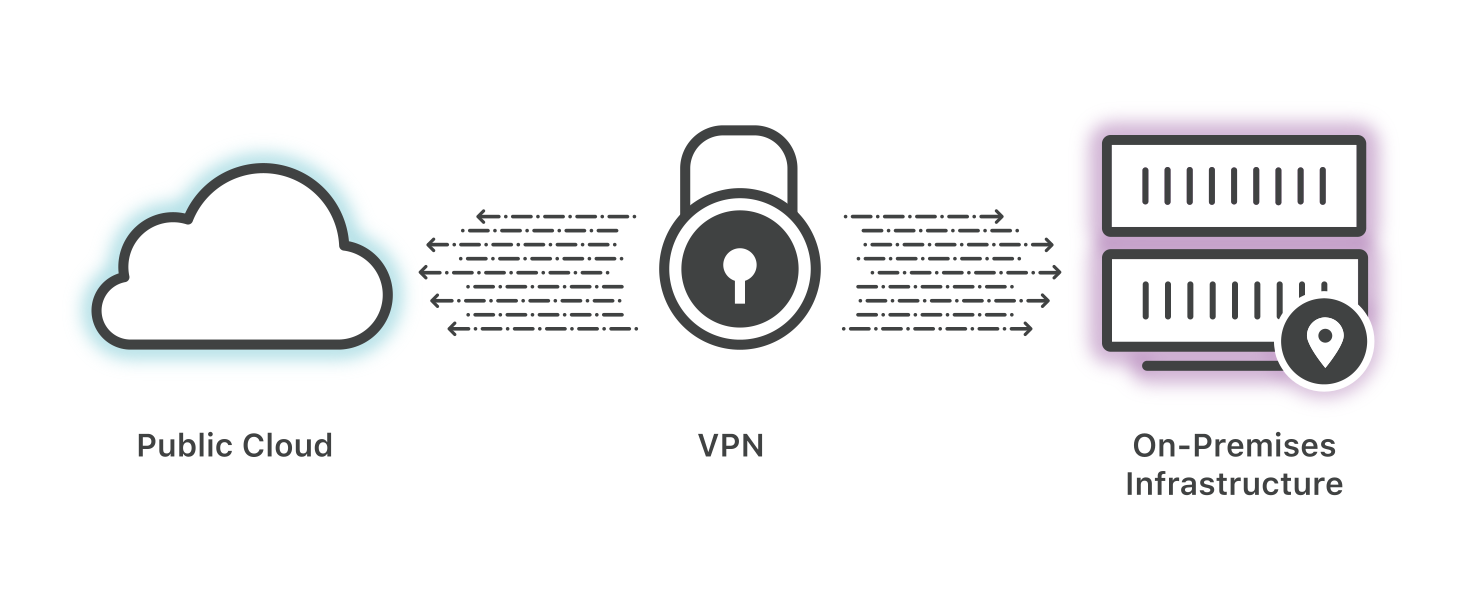
- VPN:VPN 或虚拟专用网络,可以让用户通过互联网进行安全的加密连接。由于 VPN 流量是加密的,因此连接到 VPN 的任何用户或任何机器都可以像连接到专用内部网络一样安全地进行通信。借助 VPN,云和本地基础设施可以通过公共互联网安全连接。
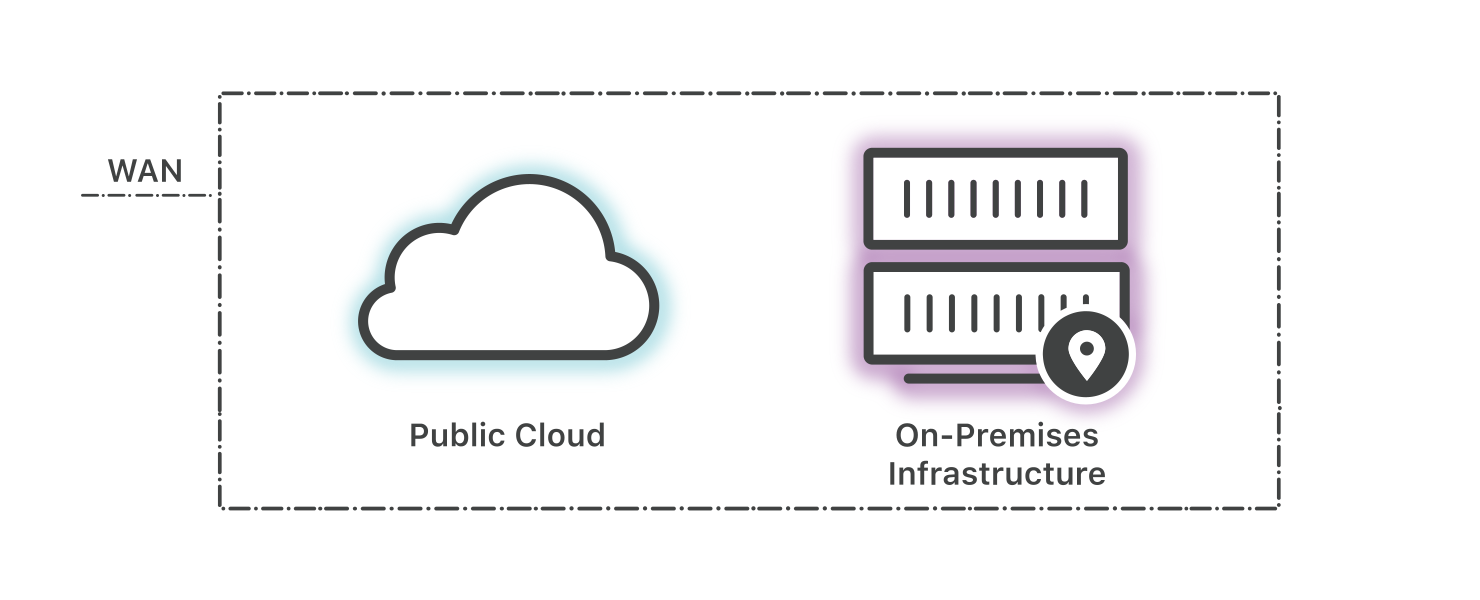
- WAN:广域网 (WAN) 是远距离连接计算机的网络,而局域网 (LAN) 则是在本地端连接计算机(在同一建筑物内或在同一场所内)。通过 WAN 进行的连接比通过公共互联网进行的连接更可靠。对于混合云,WAN 仍应使用 VPN 进行加密连接。
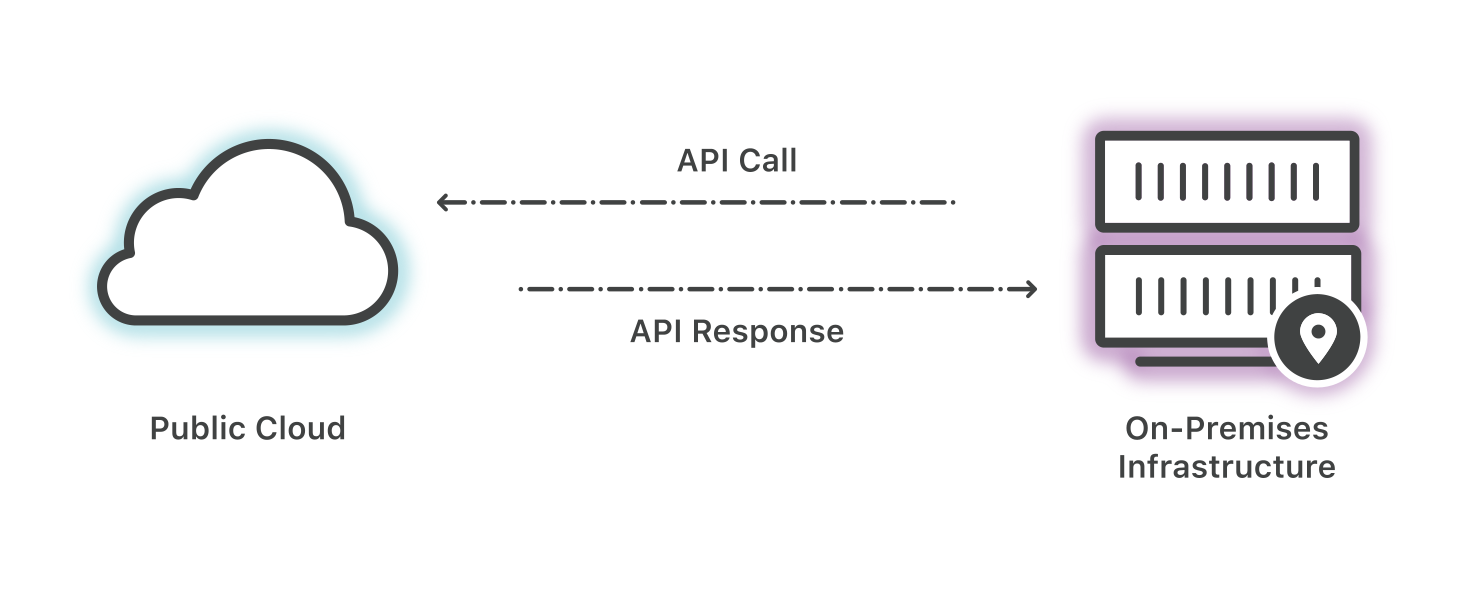
- API:API 集成对于通过连接平台、数据库、应用程序等使混合云正常工作至关重要。API 调用会作为 HTTP 请求从一个云发送到另一个云,并且可以通过开放式互联网、VPN 或 WAN 发送。
Cloudflare 如何支持混合云部署?
除了其他类型的云部署(例如多云)之外,Cloudflare 还能够使混合云部署的管理更加容易。Cloudflare 云网络覆盖 125 个国家/地区的 335 个城市,它位于任何云基础设施之前,并且负责处理 DNS、DDoS 防护、内容加速、TLS 加密,以及其他基本功能。Cloudflare 还可以帮助用户进行访问控制,这对于所有云部署来说都是一个关键方面。
了解如何轻松地将全球连通云与任意类型的云部署集成。
常见问题解答
混合云是什么意思?
混合云是一种计算环境,结合了两种或多种不同类型的基础设施,包括云环境。通常,这涉及公共云与私有云或本地旧有基础设施的搭配。这种架构允许企业利用公共云的可扩展性,同时对敏感数据进行更严格的控制。
混合云要正常运行所需的三个基本组件是什么?
混合云必须包括:1. 数据集成以保持信息同步,2. 所有环境之间建立可靠的网络连接,以及 3. 统一管理。没有这些,企业只是在并行运行多个云,而不是一个内聚的混合系统。
为什么数据集成在混合云环境中具有挑战性?
在不同的基础设施之间同步数据非常困难,因为信息必须在公共和非公共环境之间保持一致。组织通常需要实施特定的技术解决方案来自动对齐这些不同平台的数据,确保准确性。
组织通常如何连接其不同的云环境?
连接混合云基础设施的方法主要有三种:使用虚拟专用网络 (VPN),利用广域网 ( WAN ) 进行远距离连接,或使用 API 集成,让不同的平台和应用通过 HTTP 请求进行通信。
对混合云使用统一管理工具有什么好处?
每个云提供商都有自己独特的 API、服务级别协议 (SLA) 和特定功能。统一的管理工具让管理员能够从单一界面控制所有云和本地资源,而非单独管理每个资源,从而简化运营。
API 如何促进混合架构中的通信?
API(应用程序编程接口)充当连接纽带,允许一个云服务从另一个云服务请求功能。这些请求作为 HTTP 消息发送,并可以通过开放的互联网、VPN 或专用 WAN 传输。
Cloudflare 如何管理和保护混合云部署?
Cloudflare 提供了一个全球网络,该网络位于任何类型的云基础设施之前,提供 DNS、DDoS 防护、内容加速和 TLS 加密等基本服务。它还有助于管理用户访问控制,而这对于任何混合云或多云环境都是至关重要的安全要求。