下一代防火墙 (NGFW) 与防火墙即服务 (FWaaS) 的对比
下一代防火墙 (NGFW) 是具有高级功能的防火墙,而防火墙即服务 (FWaaS) 是用于保护网络和云基础设施的云交付防火墙。
学习目标
阅读本文后,您将能够:
- 定义下一代防火墙 (NGFW) 与防火墙即服务 (FWaaS)
- NGFW 与 FWaaS 的对比
- 了解云防火墙与下一代防火墙有哪些重叠
复制文章链接
下一代防火墙 (NGFW) 与防火墙即服务 (FWaaS) 的对比
这些术语描述了防火墙的两个不同方面——它能做什么 (NGFW) 与它的部署位置和方式 (FWaaS)。下一代防火墙 (NGFW) 有一套特定的安全功能。防火墙即服务 (FWaaS) 描述了托管在云中并作为服务提供的防火墙(这种防火墙也可称为“云防火墙” )。
FWaaS 可以有下一代的功能,NGFW 也可以托管在云中。
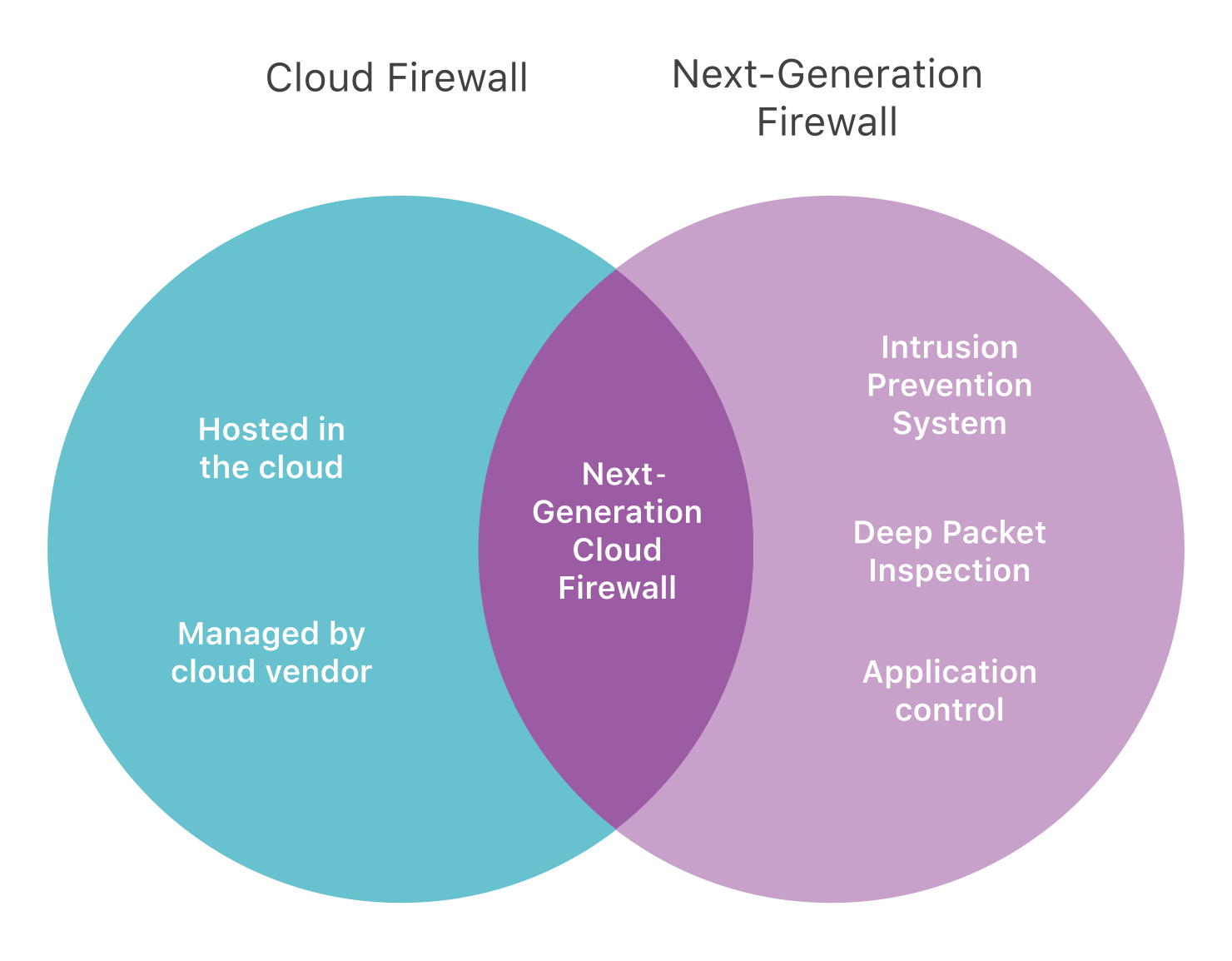
企业需要的防火墙类型取决于其基础设施。如果所有网络基础设施和应用都在本地,则基于硬件的 NGFW 可能已足够。但大多数现代化企业会在云端运行一些工作负载,因此,FWaaS 必不可少(理想情况下,是具备下一代功能的 FWaaS 解决方案)。
防火墙用来做什么?
防火墙是一种安全产品,可以根据一组安全规则监视和控制网络流量。防火墙可以是安装在服务器或计算机上的软件应用程序,也可以是连接到内部网络的物理硬件设备。防火墙通常位于受信任的网络和不受信任的网络之间;通常,受信任的网络是企业的内部网络,而不受信任的网络是互联网。
防火墙的标准功能包括:
什么是下一代防火墙(NGFW)?
NGFW 具有传统防火墙的功能,但它们还具有许多附加功能,可以满足更多样化的企业需求并阻止更多潜在威胁。将它们称为“下一代”,是为了将它们与没有这些功能的旧防火墙区分开来。
NGFW 技术包括:
- 入侵防御系统 (IPS):扫描网络流量,识别恶意软件,并阻止恶意流量
- 深度包检测 (DPI):通过分析每个数据包的主体和标头来改进数据包过滤
- 应用程序意识和控制:根据流量的去向,识别和阻止流量
- 威胁情报源:融合更新的威胁情报流,以识别最新威胁
什么是防火墙即服务(FWaaS)?
FWaaS 是由第三方供应商托管在云中的防火墙。"云防火墙"是此类服务的另一个术语。
FWaaS 不是物理设备,也不是托管在组织的本地环境。与其他“即服务”类别(比如基础设施即服务 (IaaS) 或软件即服务 (SaaS))相似,FWaaS 也是在云环境中运行并可以通过互联网进行访问。
在云计算出现之前,防火墙位于可信网络与不可信网络之间,可信网络和不可信网络之间有一个明确的边界(称为“网络边界”)。但在云计算中,这种边界并不存在,因为受信任的云资产是通过一个不受信任的网络(互联网)访问的。尽管缺乏网络边界,云托管防火墙仍能保护这些资产。此外,云托管防火墙由防火墙供应商而不是客户来配置、维护和更新。
什么是 Cloudflare Network Firewall?
Cloudflare Magic Firewall 是具有下一代防护能力的云防火墙,部署在 Cloudflare 全球网络上。它保护数据中心、远程用户、分支机构和云基础设施,并与 Cloudflare One 平台紧密集成。进一步了解 Cloudflare Network Firewall。
常见问题解答
什么是云防火墙?
云防火墙是一种安全解决方案,用于过滤针对云的恶意网络流量。这些安全服务通常被称为防火墙即服务(FWaaS),在基于云的平台和应用周围创建虚拟屏障。
云防火墙与传统防火墙有何不同?
传统防火墙通常是连接到企业本地基础设施的物理硬件设备,而云防火墙托管于远程环境中,通过互联网进行访问。随着云计算的日益普及,传统网络边界大多已不复存在,云防火墙因此为不再驻留于专用网络中的资产提供了必要的安全防护。
使用防火墙即服务(FWaaS)有哪些主要好处?
FWaaS 提供了几个关键优势,包括能够在不创建网络阻塞点的情况下阻止恶意软件和恶意机器人活动。这些解决方案可快速扩展以管理流量峰值,与云基础设施轻松集成,并由供应商维护,从而消除了组织手动更新的负担。
云防火墙如何在安全访问服务边缘 (SASE) 框架中工作?
在 SASE 模型中,基于云的防火墙与其他安全服务一起保护网络边缘。这种方法允许企业通过单一供应商来管理 FWaaS、安全 web 网关和 Zero Trust 网络访问,而非维护多个相互独立的产品。
云防火墙能否包含下一代防火墙(NGFW) 功能?
云防火墙可以包含 NGFW 功能,例如深度数据包检测(DPI)和入侵防御系统 (IPS)。虽然 NGFW 可以作为本地硬件部署,但许多基于云的现代防火墙都整合了这些高级功能,以更好地检测和阻止针对云的复杂网络攻击。
云防火墙是否只保护基于云的资产?
虽然它们是为云设计的,但这些防火墙也可以保护本地基础设施。例如,Cloudflare Network Firewall 的设计宗旨是通过全球网络同时保护本地和基于云的环境。