什么是 WAF?| Web 应用防火墙解读
WAF 在 Web 应用与互联网之间创建防火墙;此类防火墙有助于缓解很多常见攻击。
学习目标
阅读本文后,您将能够:
- 定义 Web 应用防火墙
- 解释黑名单与白名单 waf 之间的区别
- 了解基于网络、基于主机和基于云的 waf 的优缺点
相关内容
想要继续学习吗?
订阅 TheNET,这是 Cloudflare 每月对互联网上最流行见解的总结!
复制文章链接
什么是 Web 应用防火墙 (WAF)?
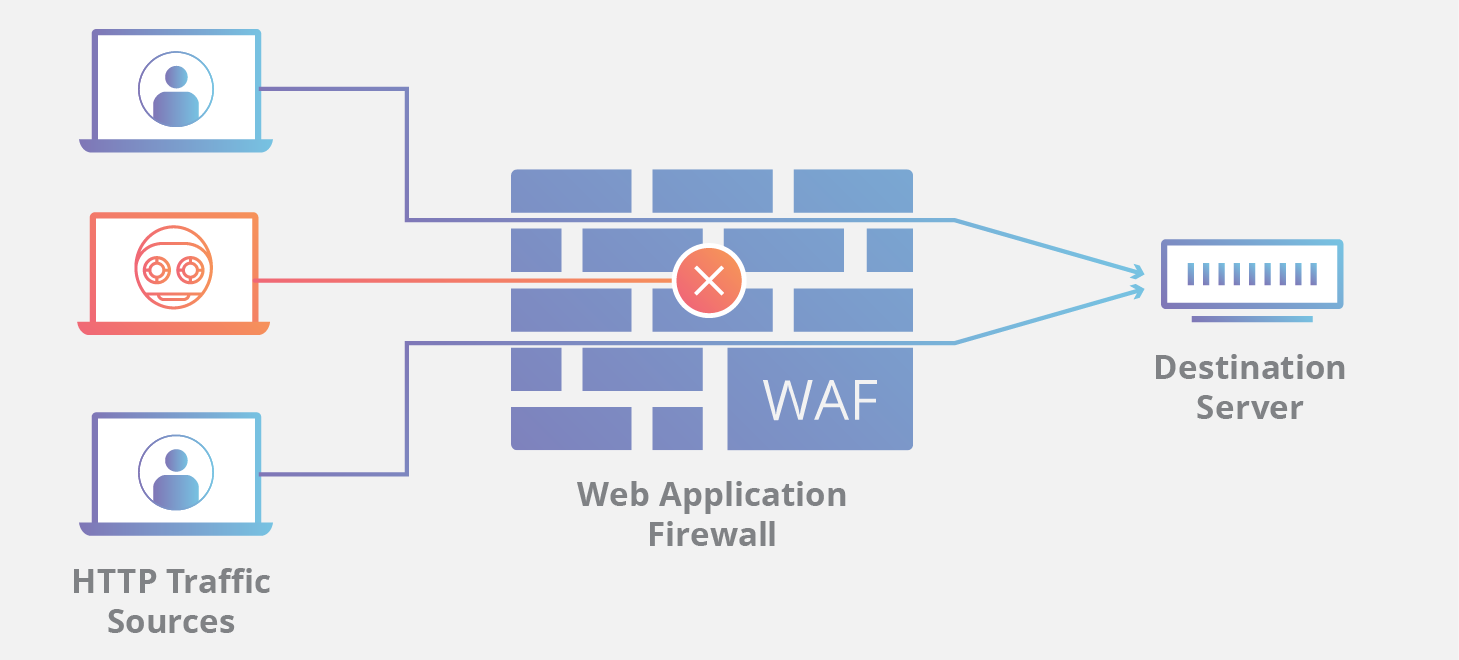
Web 应用防火墙 (WAF) 会过滤和监测 Web 应用与互联网之间的 HTTP 流量,以此来保护 Web 应用安全。它通常会保护 Web 应用免受各种形式的攻击,例如cross-site forgery、Cross-Site Scripting (XSS)、文件包含以及 SQL 注入等。
WAF 属于协议第 7 层防御策略(OSI 模型中),并不能抵御所有类型的攻击。此攻击缓解方法通常隶属于一套工具,整套工具共同针对一系列攻击手段建立整体防御措施。
通过在 Web 应用前端部署 WAF,可在 Web 应用与互联网之间形成一道屏障。虽然代理服务器通过中介保护客户机的身份,但 WAF 是一种反向代理,引导客户端通过 WAF 到达服务器,从而防止暴露服务器。
WAF 通过一组通常称为“策略”的规则进行运作。这些策略旨在过滤恶意流量,防止受到应用漏洞的侵害。WAF 的部分价值在于可以快速简便地修改策略,因而可以更迅速地响应不同的攻击手段。在 DDoS 攻击期间,可通过修改 WAF 策略快速实施速率限制。
黑名单与白名单 WAF 之间有什么区别?
基于黑名单(消极安全模型)运行的 WAF 可防范已知攻击。您可以将黑名单 WAF 想象为俱乐部保镖按指示拒绝接待不符合着装要求的客人。相反,基于白名单(积极安全模型)的 WAF 仅允许接受预先批准的流量。类似于奢华派对保镖,只接待出席名单列出的客人。无论黑名单还是白名单,二者都有各自的优缺点,因此很多 WAF 提供混合安全模型,综合实施两种方法。
什么是基于网络、基于主机和基于云的 WAF?
WAF 可以通过三种不同的方式来实施,每种方式都有各自的优缺点:
- 基于网络的 WAF 通常基于硬件。由于采用本地安装模式,因而可以最大限度地缩短延迟,但基于网络的 WAF 费用最昂贵,而且还要安装和维护物理设备。
- 基于主机的 WAF 可完全集成至应用软件。这种解决方案的成本低于基于网络的 WAF,而且还能提供更多定制功能。基于主机的 WAF 的缺点在于,占用本地服务器资源,实施起来复杂,而且还会产生维护成本。这些组件通常需要预留维护时间,可能成本较高。
- 基于云的 WAF 是一种极易实施的经济型方案;通常提供一站式安装服务,就像更改 DNS 来重定向流量一样简单。另外,基于云的 WAF 的前期成本最低,因为用户按月或按年支付安全即服务费用。基于云的 WAF 还可以提供持续更新解决方案以抵御最新威胁,用户无需额外开展工作或投入成本。基于云的 WAF 的缺点在于,用户将责任转嫁给第三方,因此对他们而言,WAF 的某些功能可能成为黑盒。(基于云的 WAF 是一种云防火墙类型;了解有关云防火墙的更多信息。)
了解全球连通云如何让公司使用基于云的 WAF 解决方案来保护其网站安全。
常见问题解答
什么是 Web 应用防火墙 (WAF)?
WAF 通过过滤和监控 Web 应用与互联网之间的 HTTP 流量来帮助保护 Web 应用。它可保护应用层,保护服务器免受 SQL 注入、Cross-site scripting (XSS) 和跨站点伪造等常见威胁。
WAF 如何保护 Web 应用?
通过部署 WAF,可在应用与互联网之间形成一道屏障。与保护客户端的标准代理不同,WAF 是一种反向代理,它要求所有客户端在到达应用之前都通过它来保护服务器。
阻止列表与允许列表 WAF 模型之间有什么区别?
阻止列表(负向安全模型)会依据已知的攻击特征拒绝相应流量。相反,允许列表(正向安全模型)仅允许预先批准的流量。许多 WAF 混合使用这些模型。
WAF 策略如何在活动攻击期间使用?
WAF 通过称为策略的规则集运行,可以过滤掉恶意流量。由于这些策略可以快速轻松地修改,因此可以快速响应新的攻击手段,例如在 DDoS 攻击期间实施速率限制或阻止新的漏洞利用。
实施 WAF 的三种主要方式是什么?
WAF 可以通过以下方式实施: 基于网络的 WAF:通常基于硬件并在本地安装,以最大限度地减少延迟。基于主机的 WAF:集成到应用软件中,提供更多定制化,但消耗本地服务器资源。基于云的 WAF: 一种经济实惠且易于实施的安全即服务选项,以最小的前期成本提供针对新威胁的持续更新。
为什么企业会选择基于云的 WAF,而不是其他选项?
基于云的 WAF 之所以备受青睐,是因为其支持开箱即用式部署,且无需额外投入人力或成本,即可获得针对最新威胁的防护能力。这个过程通常就像 DNS 更改一样简单。虽然基于云的 WAF 客户将部分责任交给第三方,但他们可以从不断更新以阻止新攻击的解决方案中受益,而无需付出任何努力。